




The living room is a tricky one to organize — it’s a space that has to look good AND function as storage for about seventeen different categories of stuff. Remotes, books, blankets, games, kids’ toys, chargers, the occasional rogue sock — it all ends up here. And if the storage isn’t intentional, the whole room just looks lived-in in the worst way.
The good news: smart living room storage is entirely doable, even in small spaces. Here’s how to approach it. 🛋️
Audit What You’re Actually Storing
Before you buy a single storage solution, figure out what actually needs to live in the living room. Walk through every category:
- Remote controls — how many do you actually have?
- Books and magazines — how many, and do they need to be in here?
- Games and entertainment — board games, gaming accessories, cables
- Throws and cushions — these need a home when not in use
- Kids’ toys — if they migrate here, give them an intentional spot
- Charging cables and tech accessories
- Candles, decorative items, plants
Then ask: does this category actually need to live in the living room? Some things belong here. Some are here by default because they never got a proper home elsewhere.
The Double-Duty Furniture Rule
In a living room, every piece of furniture should ideally do at least two things — be functional AND provide storage. This doesn’t mean everything has to have hidden compartments, but it’s worth evaluating:
- Coffee table — choose one with a shelf below, drawers, or a lift-top compartment. It can hold remotes, chargers, coasters, and everything that currently lives on top of it.
- TV stand or media console — closed cabinet sections hide the visual chaos of gaming consoles, routers, and stacks of things.
- Ottoman — a storage ottoman does triple duty as a surface, a footrest, and hidden storage for blankets or toys.
- Sofa with storage — some sofas have storage underneath. If you’re buying new, it’s worth considering.
HGTV has a great collection of living room storage ideas at different price points and styles — worth browsing for inspiration before you buy anything.
Go Vertical With Floating Shelves
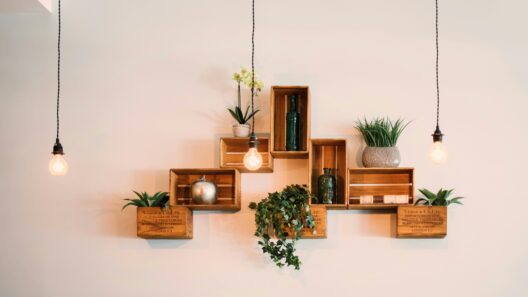
Wall space is the most underused real estate in most living rooms. Floating shelves add storage without taking up floor space — and when they’re styled well, they look intentional rather than cluttered. The key is balance:
- Mix functional items (books, baskets) with decorative ones (plants, candles, objects)
- Leave some negative space — not every inch needs to be filled
- Keep a consistent color palette on the shelves so it feels curated, not random
- Use baskets or boxes on shelves to group small items — they contain the clutter visually
The Basket System for Small Items
Baskets are the living room’s best friend — they make “stuff” look like intentional storage. A large basket for blankets. A smaller one for remotes and chargers. A decorative box for the kids’ most-used toys. When small items have a designated basket home, putting things away is as easy as dropping them in — and the room looks tidy even when it’s not perfectly organized.
Label the baskets if multiple people use the space — it removes the “where does this go?” question entirely and makes keeping things tidy everyone’s job, not just yours.
The Evening Tidy Habit
The living room doesn’t need a weekly deep-clean to stay tidy — it needs a five-minute nightly reset. Before bed: return things to their homes, fold blankets, clear surfaces, put cushions back. That’s it. Consistent small habits are what separate a home that’s always roughly tidy from one that requires periodic interventions.
A living room that works — where everything has a place and the space actually feels good to be in — is absolutely achievable in any sized home. Build the system, then protect it. 📚