



Working from home sounds like a dream — no commute, flexible hours, the fridge is right there — and it is great, until your workspace becomes a disaster zone of tangled cables, mystery paperwork, and that one mug that’s been there since Tuesday. A chaotic workspace is a focus killer. Here’s how to fix it.
First: Define Your Space
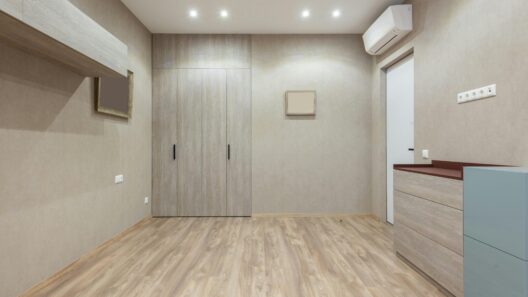
Even in a small home or apartment, your workspace needs a defined boundary — a place that is “the office” and nothing else. This is less about square footage and more about psychology. When you sit down in your “work spot,” your brain shifts into work mode. When you leave it, work stays there.
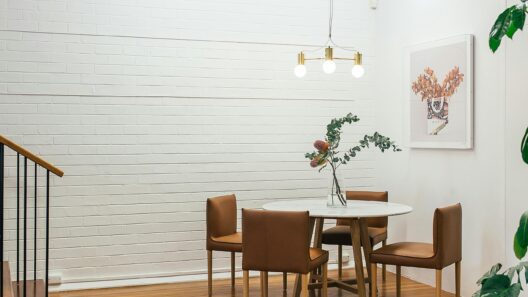
This could be a full room, a corner of the bedroom, or even one end of the dining table — as long as it’s consistently yours for work and set up to function properly. The Spruce has smart ideas for small home office setups if you’re working with a tight space.
The Desk Edit
Your desk surface is where everything happens — treat it like prime real estate. The only things that should live on top permanently are things you use daily:
- Your computer or laptop
- A monitor if you use one
- One pen/pencil cup with working pens only (test them all — be ruthless)
- A notepad or planner
- Lamp — good lighting is non-negotiable for a real workspace
- One personal item: a plant, a photo, something that makes the space feel like yours
Everything else — staplers, scissors, spare cables, paperwork — gets a drawer or a shelf. Off the surface, out of your eyeline, out of your way.
Cable Management (The Thing Everyone Ignores)
Tangled cables are low-level visual chaos that your brain processes as clutter even when you’re not consciously thinking about them. Five minutes of cable management makes a bigger difference than you’d expect:
- Velcro cable ties — bundle cables together and label them
- A cable box under the desk to hide power strips and excess cable length
- Adhesive cable clips along desk edges to route cables neatly
- A small drawer or bag specifically for spare cables — one place, always
The Paper Problem
Paper is the enemy of every home office. It multiplies. It migrates. It forms piles that become filing systems by default and stay there for six months.
The fix — a simple three-zone paper system:
- Inbox tray — anything new that needs action. Nothing lives here for more than a week.
- Action folder — current, active items you’re working on right now
- File or scan and shred — completed documents either go in a physical folder or get scanned and tossed. If you can find it digitally, you don’t need the paper.
The rule: nothing sits on the desk in a “temporary” pile. Temporary piles are permanent piles in disguise.
Zone Your Storage
Apply the same zone thinking to your office storage that you’d apply to any room:
- Within arm’s reach — things you use daily (pens, stapler, headphones)
- One step away — things you use weekly (printer paper, files, reference books)
- Out of the way — things you use occasionally (archived documents, spare supplies)
This approach is similar to the kitchen “work triangle” concept — the more often you use something, the closer it should be to where you work. For a deeper look at zoning your home, The Spruce explains the zone method really well.
The End-of-Day Reset
Five minutes at the end of every workday: clear the surface, put things back where they belong, close your tabs, write tomorrow’s top three tasks. That’s it. A desk you sit down to in the morning that’s ready to go — not a continuation of yesterday’s chaos — genuinely changes how you start the day.
Your home office should work for you. Make it that. 💻